Bethany Venture

Wuhan Study Tour Plan

Day one thousand years of glory, the country is like a painting

Schedule: Yellow Crane Tower + Yangtze River Bridge + Tanhualin

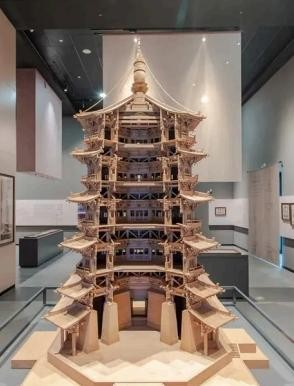
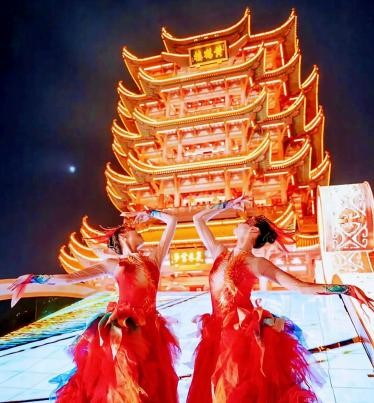
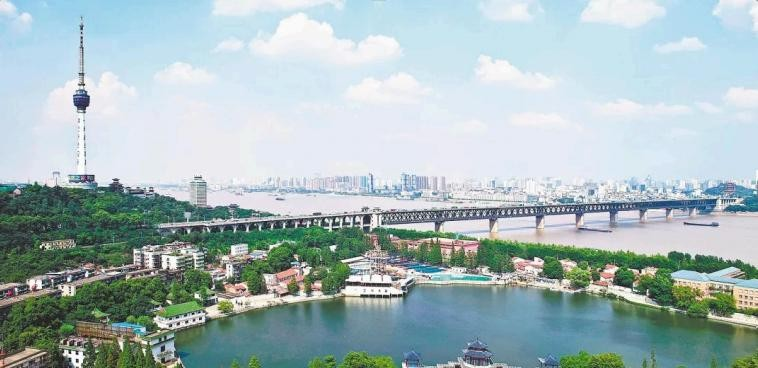
The Yellow Crane Tower and the Yangtze River Bridge are cultural symbols and city landmarks of Wuhan. Students can have a deeper understanding of the history and stories behind these cultural symbols, and further enhance their interest and cognition of Wuhan culture.
t Tanhualin Creative Culture Street, students will be immersed in creative and inspirational designs to stimulate innovative thinking; through a tour of the gate of the University of Traditional Chinese Medicine, Day one thousand years of glory, the country is like a painting they will explore the mysteries of traditional Chinese medicine and learn about the wisdom of this ancient discipline;

The next day, the light of the Academy was passed on

Schedule: Wuhan University

Wuhan University (Wuhan University) is a comprehensive national key university directly under the Ministry of Education. It is among the first batch of universities selected for the ‘Double FirstClass’ initiative, the ‘985 Project,’ and the ‘211 Project.’ The university has been chosen for the ‘ 101 Plan,’ the Talent Program, and the National Public Dispatched Graduate Program for High-Level Universities. It is also a member of the Medical ‘ Double First-Class’ Alliance and the EurasiaPacific University Alliance.
Wuhan University is one of the first universities in China to accept foreign students. It offers a wide range of disciplines and has cooperated with more than 40 countries, offering a variety of The next day, the light of the Academy was passed on international cooperation programs. Over the past 80 years, more than 16,000 international students from 169 countries have studied at Wuhan University.

Day 3: A hundred years of storms, urban pulse

Schedule: Yangtze River Museum & Jianghan Customs Dock Culture

Through cultural relics, oil paintings and multimedia exhibitions, the Yangtze River Museum vividly presents the rise of Wuhan since its opening in the 19th century, and multi-sensory experience makes history accessible.

The 22 century-old buildings in Hankou Concession area can be regarded as an open-air museum of history. The British clock tower Jianghan Customs, the Russian onion dome Orthodox church and other buildings all carry the story of the integration of Chinese and Western cultures. Walking among them, you can touch the pulse of modern Chinese history.

The most distinctive feature is the red double-decker sightseeing bus, which features a panoramic sunroof that offers a 360° view. Along the route, guides will explain the poetry culture of Day 3: A hundred years of storms, urban pulse the Yellow Crane Tower, the geographical features of the Yangtze River, and the significance of the landmark buildings featured in the Spring Festival Gala. Through interactive activities like knowledge quizzes and city topic discussions, students can experience the prosperity and romance of the ‘River City’ during their leisurely journey.

Day 4: Top of the medical industry, forest campus

Schedule: Huazhong University of Science and Technology

Huazhong University of Science and Technology (HUUST) is a comprehensive research university directly under the Ministry of Education of the People’s Republic of China. It is one of the universities under the “211 Project” and “985 Project”, and one of the first “double first-class ” universities.

Huazhong University of Science and Technology ranked 13th in ABC China University in 2024; 8th in 2024 Soft Science China University ranking; 79th in 2024 Soft Science World University Academic Ranking.

The fifth day: The Legacy of Lake and Mountain, natural history

Schedule: East Lake + Hubei Provincial Museum

The Hubei Provincial Museum, one of China’s eight national-level museums, is situated by the East Lake in Wuhan. It houses over 240,000 cultural relics, including the Chime-bells of Marquis Yi of Zeng State and the Sword of King Goujian of Yue, which are considered the museum’s most prized treasures, showcasing the essence of Chu culture and the bronze civilization from 2,400 years ago. The museum features permanent exhibitions such as “The Tomb of Marquis Yi of Zeng” and “Eight Centuries of Chu,” where interactive displays and chime bell performances bring history to life, making it an excellent window to experience Chinese civilization.
Donghu Lake is the “green heart” of Wuhan. As the second largest lake in China, it has 101.98 kilometers of greenways. Here, you can not only ride to experience nature, but also visit cultural relics such as Qu Yuan’s Walking Pavilion, which perfectly integrates ecology and culture.

On the sixth day, the sound of water was ancient and the sound of the qin was slow

Schedule: Guqintai + Guqin + Zhiyin cruise ship

High mountains and flowing water are the best interpretation of friendship in Chinese culture, and the story took place at the Guqintai in Wuhan. In this trip, the guqin platform and the Yangtze River cruise culture are skillfully integrated to present the profound cultural heritage and water culture characteristics of Wuhan.
Highlights of the study: Through this study activity, students can personally experience On the sixth day, the sound of water was ancient and the sound of the qin was slow the water culture and guqin art shown in the Spring Festival Gala, and have a deeper perception of the cultural heritage and water system culture of Wuhan.
The seventh day: rooted in China, flowers bloom all over the world

Schedule: Hubei Academy of Fine Arts (Tanhualin Campus + Zanglong Island Campus

Hubei Academy of Fine Arts (Hubei Institute of Fine Arts, national standard code 10523) is a public college and university with the qualification of higher education enrollment approved by the Ministry of Education.
Hubei Academy of Fine Arts is the only higher art institution in central China and one of the eight specialized art academies in the country. The academy upholds the academic spirit of inclusiveness, dedicated to nurturing innovative artistic talents who understand and support China and meet the demands of the times. It strives to become a top-tier higher art institution with distinct characteristics and international influence. The seventh day: rooted in China, flowers bloom all over the world At present, Hubei Academy of Fine Arts has 33 undergraduate programs for foreign students.

The eighth day: Technology Crossing, the future is here

Schedule: Hubei Science and Technology Museum + Photon Train + China Building Science and Technology Museum

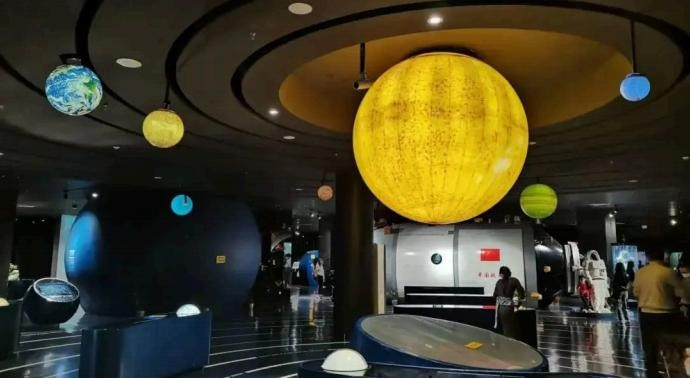
Relying on the theme exhibition areas such as “Exploration and discovery”, “Innovation and creation”, “Science and life”, Hubei Science and Technology Museum creates an immersive scene to make students feel as if they are in a wonderful world of scientific exploration.
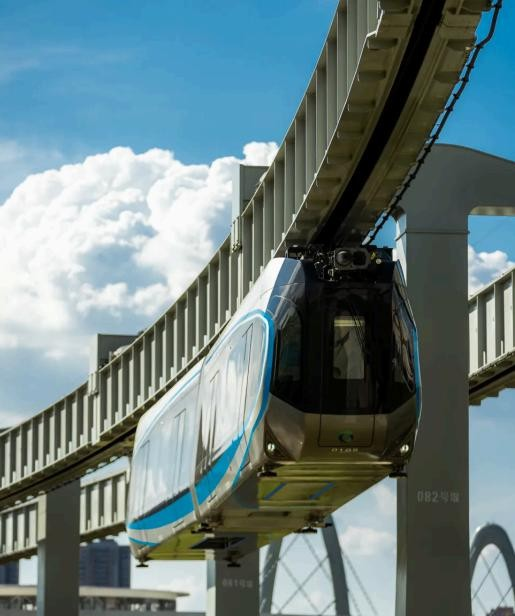
By taking the photon air rail train, students can experience cutting-edge technologies such as fully automatic unmanned driving, deeply understand the process of track construction, and deepen their understanding and goodwill towards Wuhan and China. China Building Science and Technology Museum, rich in architectural exhibits and multimedia displays, enabThe eighth day: Technology Crossing, the future is here les students to intuitively feel the mutual absorption and reference of ancient and modern Chinese and Western architecture, and further feel the charm of architectural art.

Ninth day: The peak of geology, global research

Schedule: China University of Geosciences (Wuhan)

China University of Geosciences (Wuhan) is a national key university directly under the Ministry of Education. It has been approved by the state to establish a graduate school and is among the first batch of universities selected for the ‘211 Project’, ‘985 Advantage Discipline Innovation Platform’, and ‘Double First-Class’ initiative. The university specializes in Earth sciences, with a broad range of disciplines including science, engineering, literature, management, economics, law, education, and art. Two primary disciplines—geology and geological resources and engineering—are part of the ‘Double First-Class’ initiative.
According to the latest U.S. News & World Report, China University of Geosciences ranks 1st in China’s Earth Sciences field, 5th globally, 27th in Chinese mainland overall, and 282nd globally. Leveraging its strengths in geoscience and mineral resources, the Ninth day: The peak of geology, global research university admits students from over 100 countries and offers full English-taught programs in geology, environmental engineering, and petroleum engineering. Many of these courses have been recognized as’ English-taught brand courses for international students’ at both the provincial and national levels

The tenth day: Mountains and grasslands, Mulan

Schedule: Mulan Tianchi, Mulan Grassland

Mulan Tianchi and Mulan Grassland are 5A-level scenic spots with Mulan culture as the core in Huangpi District, Wuhan. Mulan Tianchi is renowned for its 10-kilometer-long canyon, crystal-clear lake, and a cluster of waterfalls. Legend has it that this place was where Hua Mulan spent her childhood, with the ‘Smart Spring’ where she drew water and the ‘Horse Drinking Pond’ where she fed her horses. The valley offers attractions such as a glass sky bridge and boat tours on the lake. With a forest coverage rate of 98%, the area enjoys an average summer temperature of 25.8℃, making it an ideal spot for summer hiking. Mulan Grassland is the only 5A grassland in central China. It is said that Mulan gave this place to her subordinates after her victory. Visitors can ride horses and slide on The tenth day: Mountains and grasslands, Mulan ‘ s strange love grass to feel the grassland atmosphere.
The story of Mulan was celebrated in the Mulan Ode, and later became famous worldwide through Disney’s animated film Mulan. The two scenic spots combine natural landscapes with historical legends, making them ideal destinations for cultural exploration and outdoor activities around Wuhan.

Eleventh day, on Guizi Mountain, the world school

Schedule: Central China Normal University

Central China Normal University (Central China No- rmal University), also known as “CCNU,” is a key comprehensive normal university directly under the Ministry of Education. It is a key construction institution under the national “211 Project” and ” 985 Project Advantage Discipline Innovation Platf- orm,” and is a world-class discipline construction university. CCNU has been selected for the national “2011 Plan,” “111 Plan,” the National Publicly Dispatched Graduate Program for High-Level Univer- sities, and the National Cultural Quality Education Base for College Students. It is also a founding member of the China-Japan Alliance for Humanities Exchange, a member of the Wuhan Seven-School Joint Education Program, one of the first doctoral and master’s degree-granting institutions in China, and a pilot university for free teacher education. 

Central China Normal University is one of the earliest institutions of higher learning in China to cultivate international students. The university has a tradition of attaching importance to cultural and social practice activities for international students, and regards these activities as an impo- rtant carrier of “knowing, befriending, loving and helping China” education. Cultural activities for international students have become the highlight and characteristic of the university.

On the 12th day, the century-old crape myrtle was born as a new intangible cultural heritage

Schedule: Ziwei Urban Garden

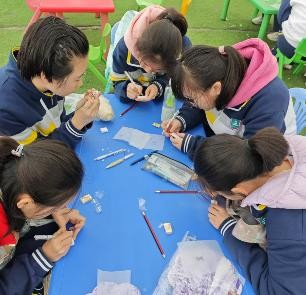
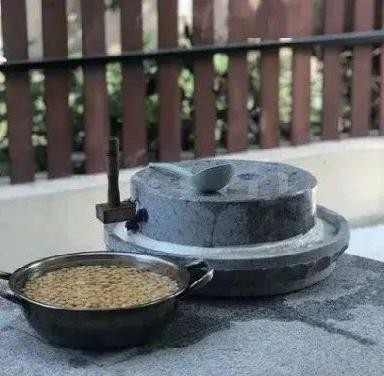
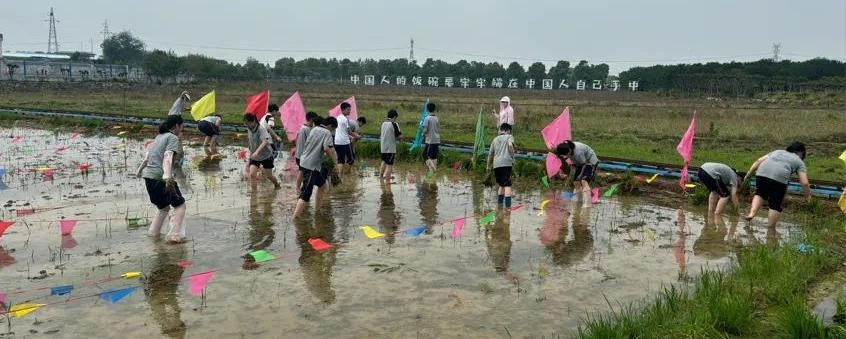
The national 4A-level scenic area, set against the backdrop of a century-old crape myrtle flower sea, offers an immersive cultural experience for international youth. Here, visitors can plant mugwort and mushrooms by hand, craft intangible cultural heritage lacquer fans and traditional Chinese medicine sachets, and grind fresh soy milk using traditional stone mills. Additionally, they can participate in seasonal activities such as spring rice planting and autumn rice harvesting, experiencing the joy of traditional farming in the rice fields.
The park features fun amusement facilities and a pet interaction area, with a special ‘Weaving On the 12th day, the century-old crape myrtle was born as a new intangible cultural heritage Hundred Surnames’ course that explores the mysteries of Chinese characters and surname culture. All handmade items can be taken home as keepsakes, guided by bilingual professional instructors throughout. The one-day tour includes a special lunch and insurance, making it an excellent opportunity to experience the wisdom of Chinese rural traditions and intangible cultural heritage!

On the 13th day, materials connect the four seas and wisdom creates the future

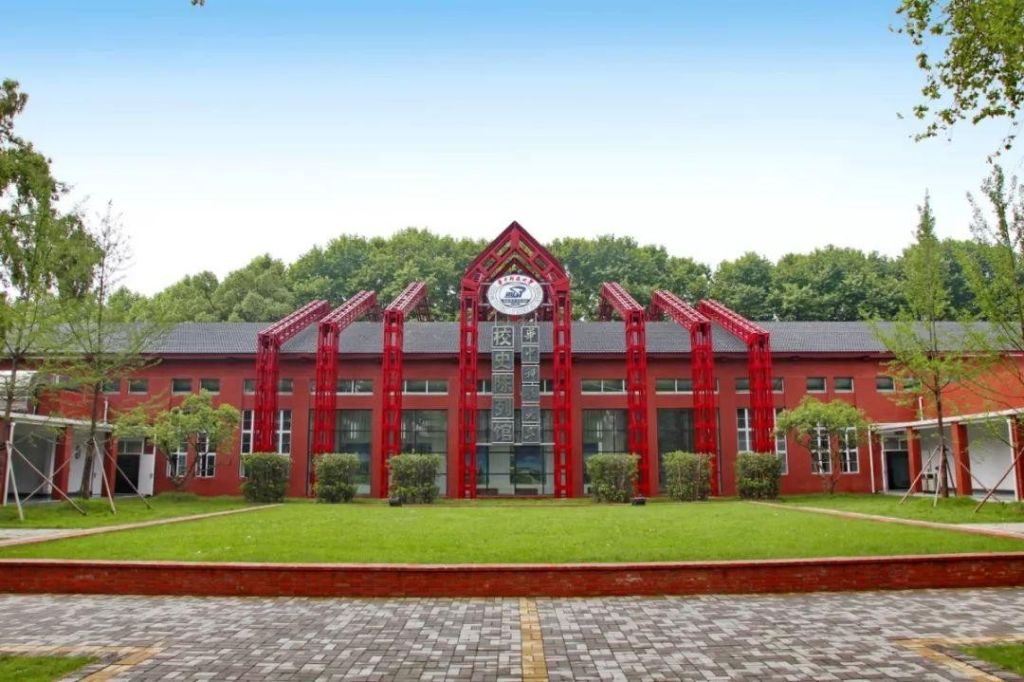
Schedule: Wuhan University of Technology

Wuhan University of Technology, a national key university
directly under the Ministry of Education, is among the
first batch of universities to be designated as national
world-class disciplines and part of the ‘211 Project’. It
is co-built by the Ministry of Education, the Ministry of
Transport, and the State Administration of Science, Technology, and Industry for National Defense. The university is
also part of the 985 Project’s Advantage Discipline Innovation Platform, the’ 111 Plan’, the Excellent Engineer
Education and Training Program, the National Public Dispatched Graduate Program for High-Level Universities, the New
Engineering Research and Practice Project, the Chinese
Government Scholarship for International Students, and the
National College Student Cultural Quality Education Base.

Founded in 2002, the International Education College of On the 13th day, materials connect the four seas and wisdom creates the future Wuhan University of Technology is one of the first international education colleges established in China. It focuses on international cooperation and education for international students. The college leverages the university’s strong academic resources to establish departments for business and arts, boasting a high-caliber faculty that spans multiple disciplines, including engineering, economics, management, and arts.

On the 14th day, ancient civilization and treasure of the river city

Schedule: Panlongcheng Ruins Park

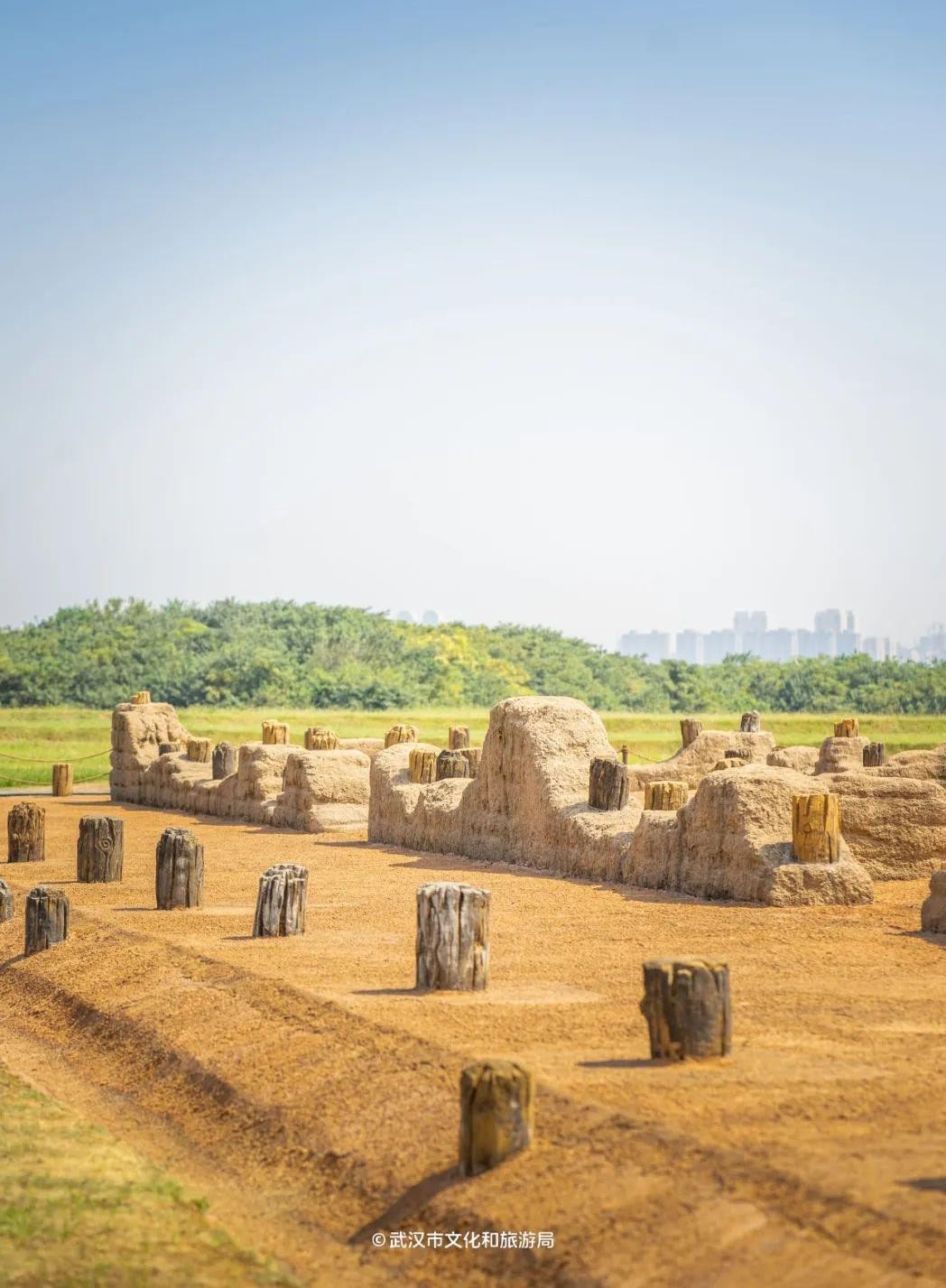
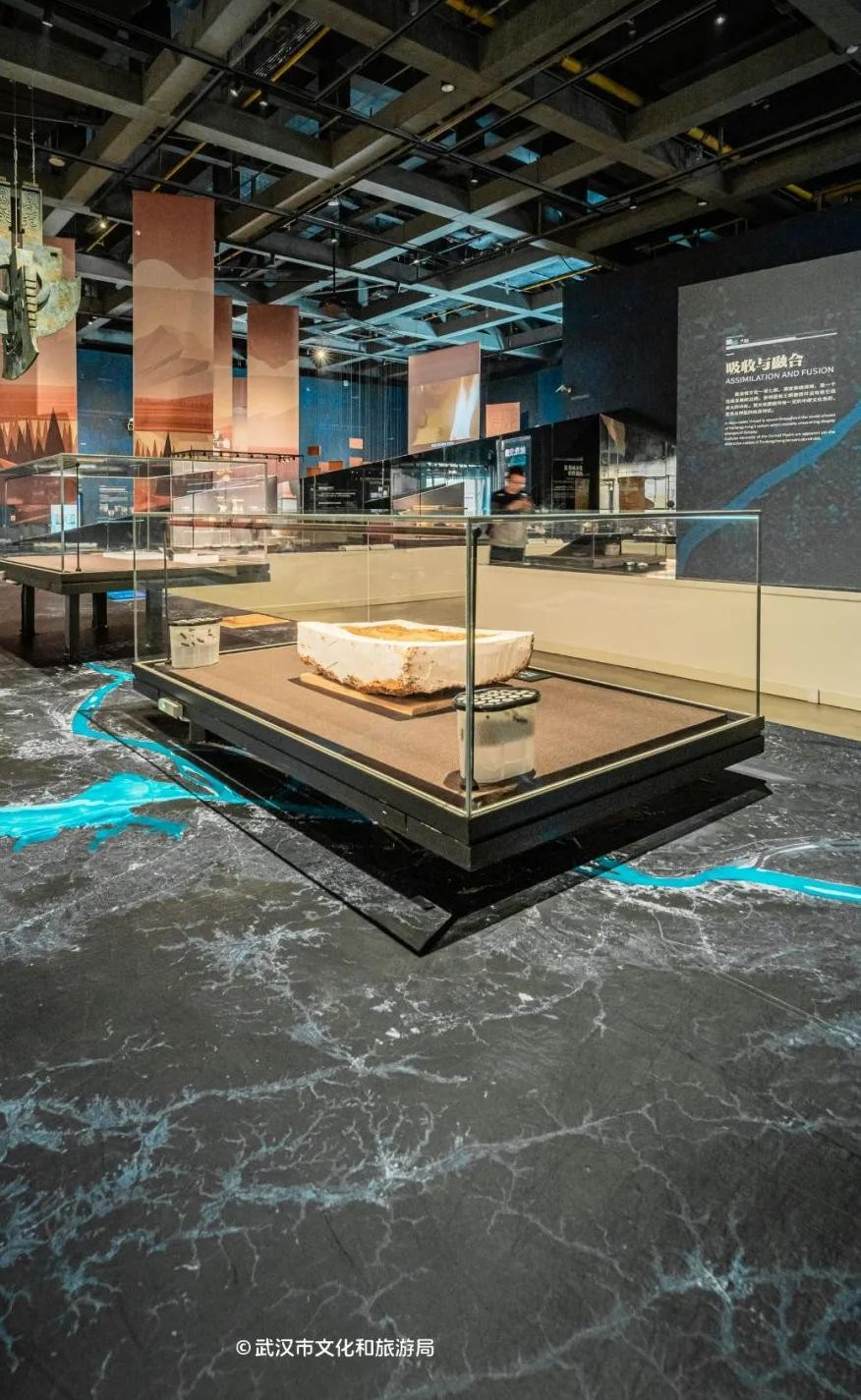
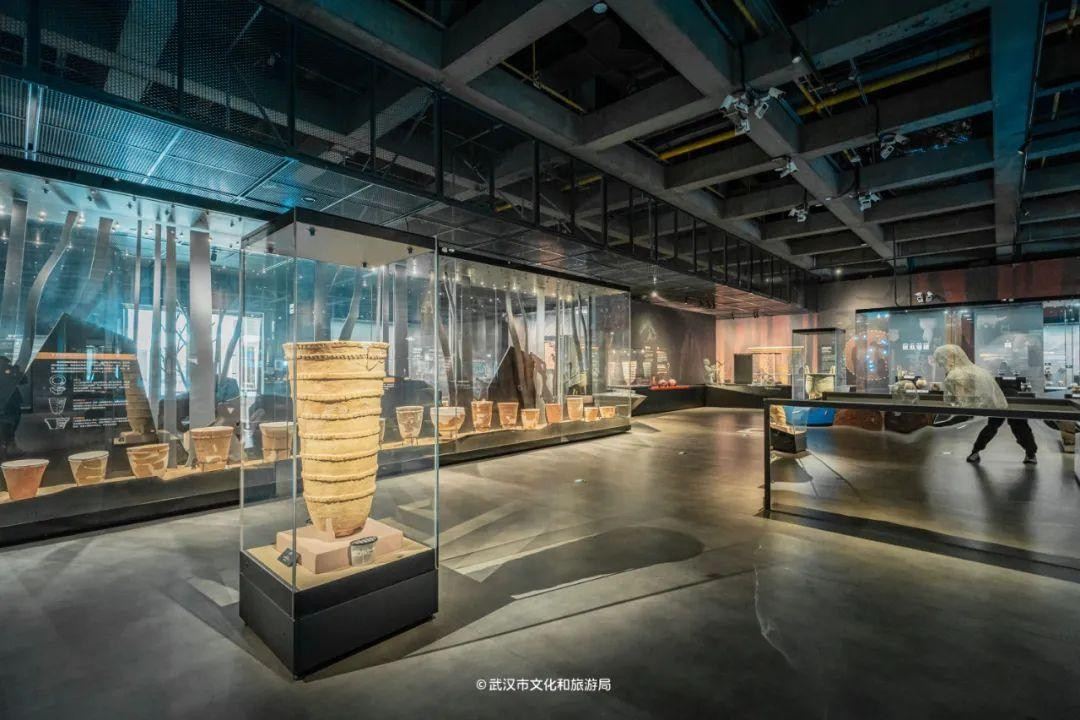
The ruins of Panlongcheng, dating back 3,500 years to the Shang Dynasty, are a southern central city and are known as the ‘root of Wuhan.’ This site was a key military and political center for the Shang Dynasty’s strategic control over the Yangtze River Basin. It features palace foundations, noble tombs, and bronze workshops. Artifacts such as turquoise-inlaid gold ornaments and animal-faced bronze vessels have been unearthed, which confirm the deep integration of Central Plains and Yangtze River civilizations. The city walls and moats within the ruins are well-preserved, and digital technology has brought history to life. The bronze casting techniques used further demonstrate that the Yangtze River Basin had the capability to independently produce high-end ritual objects during On the 14th day, ancient civilization and treasure of the river city the early Shang period.
It is not only an empirical evidence of the “diverse and integrated” pattern of Chinese civilization, but also a window to explore the exchanges between the north and the south in the Bronze Age.

Thanks