
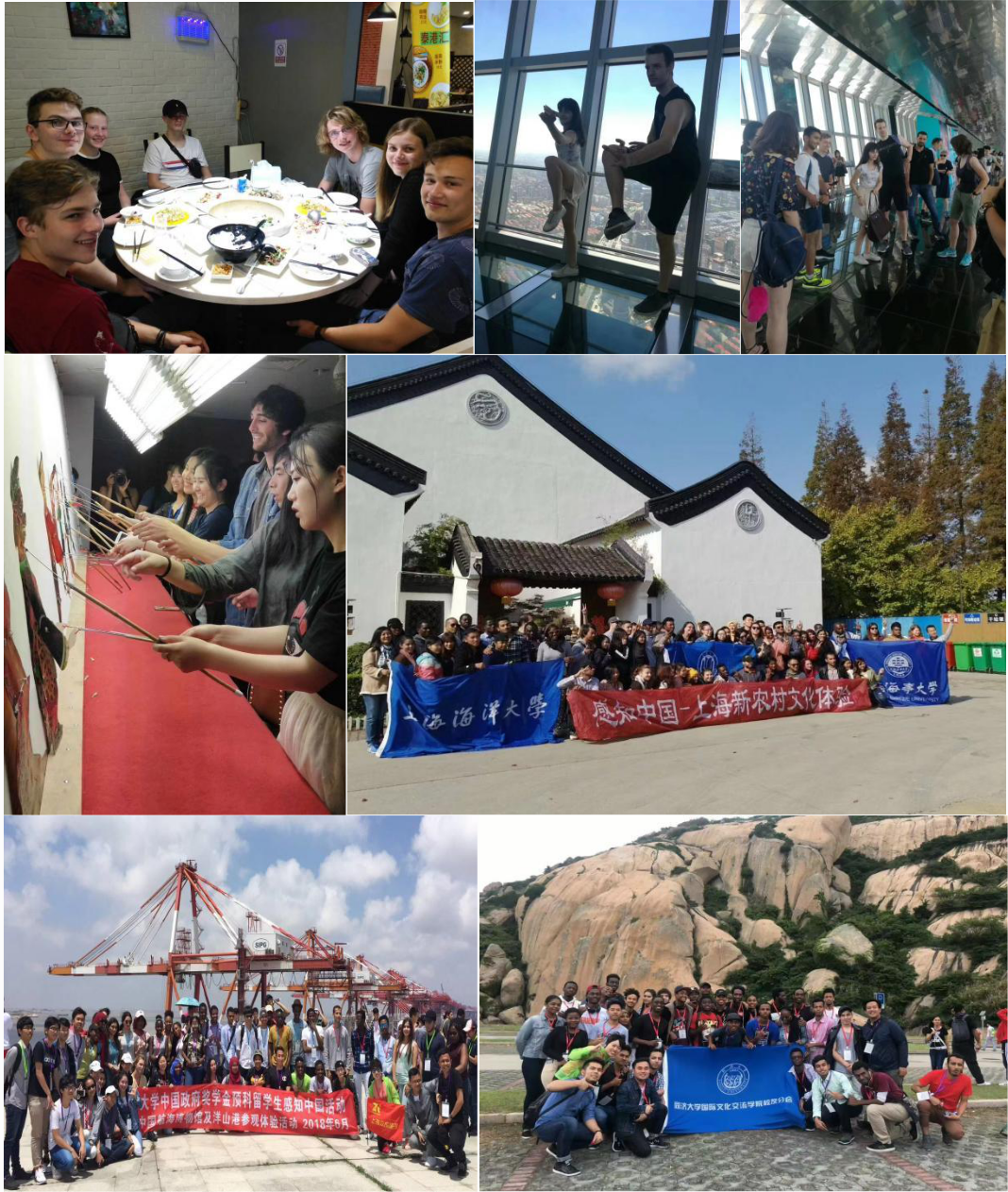
As globalization accelerates, exchanges and integration between different cultures are becoming increasingly frequent. In China, the Yangtze River Delta region, one of the most economically developed and culturally prosperous areas, boasts rich historical and cultural resources and unique regional cultural characteristics. Cities such as Shanghai, Suzhou, Hangzhou, and Nanjing not only played significant roles in Chinese history but also demonstrate vibrant cultural vitality and innovation in contemporary times. From the ancient water towns of southern Jiangnan to the diverse cultures of modern cities, the Yangtze River Delta region offers a charming and opportunity-rich environment for cultural learners.
For foreign friends or those from other regions of the country, gaining a deep understanding of the multifaceted culture in the Yangtze River Delta not only breaks down cultural barriers and enhances mutual understanding and friendship but also lays a solid foundation for promoting cross-regional economic cooperation and cultural exchanges. Against this backdrop, we have meticulously planned this immersive cultural journey to the Yangtze River Delta, aiming to create a comprehensive platform for experiencing the language, culture, historical civilization, and traditional crafts of the region.
Improving Language Skills: Through systematic learning and practical activities, international students can rapidly enhance their Chinese listening, speaking, reading, and writing abilities. In language courses, professional teachers will provide in-depth yet accessible explanations and specialized training on key elements such as pronunciation, vocabulary, and grammar, helping international students overcome difficulties in language learning, such as tone correction and erhua sound training, to address common pronunciation issues among Chinese learners; situational dialogue classes simulate real-life scenarios, enabling international students to apply their language knowledge in actual communication, thereby enhancing their practical language skills.
Promoting Cultural Exchange: Language is a vital medium for culture. Learning Chinese not only equips international students with a new communication tool but also deepens their understanding of the values, ways of thinking, and living habits behind Chinese culture. Through interactions with local students and residents, international students can share their cultural backgrounds and life experiences, fostering mutual understanding and respect between different cultures, and promoting cultural diversity and integration.
Deeply Perceiving Historical Civilization: The Yangtze River Delta region boasts a long history and splendid civilization. By visiting the China Art Museum, appreciating the dynamic “Along the River During the Qingming Festival,” touring Nanjing’s Zhonghua Gate and Dr. Sun Yat-sen’s Mausoleum, and other sites rich in historical and cultural significance, international students can closely experience the brilliant achievements of ancient Chinese architecture, art, and technology. This provides them with a more intuitive and profound understanding of the depth and breadth of Chinese history and culture, as if they are traversing time to converse with history.
Inheriting Traditional Craft Culture: The event features a variety of traditional cultural experience courses, such as making Nanxiang steamed buns, Chinese knotting, and a Chinese character workshop. These courses allow international students to personally engage in the learning and practice of traditional crafts, experiencing firsthand the unique charm of China’s intangible cultural heritage. This enhances their awareness of protecting traditional culture and their sense of responsibility for its inheritance, ensuring that these precious cultural legacies can be spread and sustained on a broader scale.
Establishing Inter-regional Connections: This event brings together friends from different countries and regions, providing them with a platform for joint learning and exchange. During the event, international students can meet friends from around the world, share their growth experiences and cultural insights, broaden their international perspectives, and develop global awareness and intercultural communication skills. These are invaluable for personal future development.
Promoting International Cultural Exchange and Cooperation: As international interactions become increasingly frequent, cultural exchange has become an important bridge for enhancing friendship and cooperation between nations. Through this event, foreign students will bring back to their home countries what they have seen, heard, learned, and felt in China, introducing Chinese language, culture, history, civilization, and modern development to more people. This will promote the exchange and mutual learning of Chinese and foreign cultures, driving friendly cooperative relations between different countries and regions forward.
Enhancing Cultural Identity: For local residents, the event also serves as an excellent opportunity to showcase the local culture to the outside world. When they see foreign students from other regions showing a strong interest in and high appreciation of local culture, it can inspire a sense of pride and recognition in their own culture. This further strengthens the awareness of protecting and inheriting local culture, promoting the prosperity and development of regional culture.
Creating Cultural Brand Events: Successfully organizing this event will help create an influential cultural brand activity in the Yangtze River Delta region. By delivering high-quality content, attentive service, and extensive promotion, we can attract more domestic and international cultural enthusiasts to participate. This will enhance the region’s reputation and recognition in international cultural exchange, inject new vitality into the development of the local cultural industry, promote the integration and innovative utilization of cultural resources, and achieve sustainable cultural development.
| date | time interval | Activity content and feature description | Accommodation |
|---|---|---|---|
| Day1 Shanghai Jiao Tong University |
forenoon | Pick up the plane and check in | Shanghai Jiao Tong University Minhang campus student life hotel |
| afternoon | Campus tour: Visit Shanghai Jiao Tong University campus + Li Zhengdao Library to feel the scientific research strength and campus culture atmosphere of Jiao Tong University | ||
| evening | Welcome dinner: taste the special Chinese dishes, explain safety tips and cultural etiquette. | ||
| Day2 Shanghai Jiao Tong University |
forenoon | HSK pronunciation course: tone correction and erhua training, combined with tongue twister challenge (such as “four is four, ten is ten”), to break through the difficulty of Chinese pronunciation. | Shanghai Jiao Tong University Minhang campus student life hotel |
| afternoon | Chinese Character Workshop: Analyze the evolution of pictographic characters, copy a fragment of “Thousand Character Text” and make name seals, and integrate Chinese character learning into artistic creation. | ||
| Scenario dialogue class: simulate asking for directions, asking… | |||
In the morning, special cars and staff will be arranged to pick up students at the airport and guide them to Shanghai Jiao Tong University Minhang campus to check in the school living hotel. The rooms will be cleaned and disinfected in advance, and the bedding will be replaced with brand new and clean ones.
The staff will help the students to move their luggage to the room and introduce them to the use of facilities and equipment in the room, including air conditioning, hot water kettle, wireless Internet connection, etc., to ensure that the students are comfortable and convenient to stay. In the afternoon, a special person will lead the students to start the campus tour. Starting from the school gate, they will visit the landmark buildings of Shanghai Jiao Tong University along the main road of the campus one by one, and introduce the use, characteristics and status of the buildings in the campus culture.
Arriving at the Li Zhengdao Library, the tour guide provided a detailed introduction to Mr.Li Zhengdao’s life, his outstanding contributions, as well as the library’s rich collection and advanced facilities. The focus was on showcasing the precious documents and materials, including Mr.Li Zhengdao’s manuscripts and works, which are treasured in the library. This allowed participants to gain a deeper understanding of Jiaotong University’s research strength and cultural heritage. During the visit, staff members encouraged participants to take photos to commemorate these wonderful moments.
Evening: A welcome dinner will be held. The restaurant will prepare a sumptuous Chinese specialty dish in advance according to the number of students and their taste preferences, such as steamed shad, dry-braised shrimp, white-cut chicken and other Shanghai local dishes.
Before the dinner, the staff introduced the Chinese table manners to the students in detail, including the use of tableware, dining posture, etc., and emphasized the travel safety, accommodation safety, food safety and other matters during the stay in China. During the meal, special personnel were arranged to interact with the students, answer questions, and create a relaxed and pleasant atmosphere.
Morning: HSK pronunciation course will be held in the Academic Activity Center of Jiaotong University. The classroom is equipped with advanced multimedia teaching equipment. Professional Chinese teachers carry out systematic correction training on tones in Chinese by means of vivid and realistic courseware display, combined with actual pronunciation examples, and carry out special exercises on confusing pronunciation points such as flat and curled tongue and front and back nasal sounds. Introduce classic tongue twisters, such as “four is four, ten is ten”, and let students practice repeatedly through sentence division exercises, coherent reading, group competitions, etc., to challenge the difficult points of Chinese pronunciation and improve the accuracy and fluency of speech expression. Teachers correct students’ wrong pronunciation in time and give encouragement and guidance.
Afternoon: Chinese Character Workshop will be held in the training classroom of Jiaotong University. Invite a philologist to use multimedia to show the evolution of pictographic characters, from oracle bone script, bronze script to small seal script, clerical script and other different stages of morphological changes. Through comparative analysis, students can intuitively feel the evolution law of Chinese characters.
Subsequently, the organization arranged for students to copy classic passages from the “Thousand Character Classic.” Teachers provided on-site guidance on proper pen-holding techniques and writing skills, correcting any improper habits. At the same time, students were assigned to make their own name seals, with professional engraving tools and seal paste distributed. Teachers demonstrated the steps and techniques of seal carving, allowing students to deepen their understanding and memory of Chinese characters through practice. After completing the task, they could keep the seals as souvenirs.
Morning: situational dialogue class in the language training classroom of Jiaotong University. Teachers use multimedia to show pictures and videos of life scenes such as asking for directions, shopping and ordering food in restaurants to create a real atmosphere.
Then organize the trainees to engage in role-playing and dialogue practice. Each group of trainees will take on different roles, such as a wayfinder, a guide, a customer, or a salesperson, simulating various communication scenarios that might occur in real life. The focus will be on practicing how to accurately convey the destination and ask for directions when asking for directions; how to inquire about prices and negotiate discounts in shopping scenarios; and how to introduce dishes and ask about flavors when ordering at a restaurant, among other practical expressions.
The teacher will circulate around to guide the students and correct their grammatical errors and improper expressions in time to ensure the accuracy and fluency of the dialogue.
In the afternoon, the students were organized to go to the food street near Shanghai Jiao Tong University. The students were required to use the Chinese communication skills learned in the morning and take the initiative to ask jiao Tong University students or nearby residents about the specific location of the food street and recommended restaurants.
Upon arriving at the food street, students form their own groups to explore, attempting to communicate with restaurant owners or waitstaff in Chinese, order meals, and taste local specialties such as pan-fried buns, xiaolongbao, and pork rib cake. After dining, students must also pay the bill in Chinese and inquire about relevant discount activities or featured dishes, further enhancing their practical language skills. Following the event, students share their dining experiences and insights on language use.
Evening: During the buffet meal, participants are encouraged to interact with other customers in Chinese, learning about their opinions and recommendations on the food, which further enhances their language communication skills and social techniques. Meanwhile, staff have set up several task check-in points; after finishing their meal, participants need to go to these points to sign in and share their experience, adding more fun and engagement to the event.
In the morning, a special bus was arranged to go to Tongji University. Student volunteers from Tongji University served as interpreters and led students to visit the landmark buildings of Tongji University, such as the 1-29 Auditorium of Tongji University and the Museum of Tongji University, introducing the long history of the university, its academic characteristics and outstanding achievements in architecture, planning and other fields.
During the visit, students can have in-depth communication with student volunteers to understand the study life and campus culture of Tongji University. Then, the students are organized to take a group photo in front of the famous gates and buildings of Tongji University to record the beautiful moments.
In the afternoon: Conduct Tongji architecture courses in the multimedia classroom of the School of Architecture and Urban Planning at Tongji University. Invite renowned professors from Tongji University’s architecture department to teach. Through exquisite images, vivid case studies, and clear explanations, the professors will introduce the characteristics, styles, and evolution of Chinese classical architecture, comparing and analyzing the differences and integration of Eastern and Western architectural cultures. At the same time, combining Tongji
University’s advanced achievements in architectural education and research, they will showcase cutting-edge concepts and technical applications in modern architectural design, deepening students’ understanding and appreciation of Chinese architectural culture and fostering their love and interest in traditional Chinese culture.
Morning: A course on commonly used Chinese vocabulary is held in a dedicated training classroom at Fudan University. The Chinese teacher carefully prepares teaching materials, integrating daily life, study, and work scenarios. Through various forms such as pictures, videos, and examples, the teacher explains high-frequency Chinese words, including those under categories like “transportation,” “food,” “shopping,” “study,” and “work.”
The teacher adopts interactive teaching methods, such as games, interactive questions and answers, group competitions, etc., so that students can actively participate in classroom activities and deepen their memory and understanding of vocabulary. At the same time, the teacher encourages students to make sentences and have simple communication dialogues with the newly learned vocabulary to consolidate their ability to use vocabulary.
In the afternoon, the film “Nezha Series” will be played. Before the film begins, the teacher will give a brief introduction of the plot and cultural background to help students better understand the story content and cultural connotation in the film.
During the film, the teacher pauses the broadcast in time to interpret and analyze some key plots, dialogues and cultural elements in detail, and guide students to think and discuss.
After the film, students were organized to discuss the traditional Chinese cultural elements shown in the film, such as mythological stories, Taoist thought, family concept, etc., and encouraged to share their feelings and experiences after watching the film, so as to improve their Chinese expression ability and cross-cultural understanding ability.
In the morning, a special bus will be arranged to Shanghai Conservatory of Music. A full-time guide from Shanghai Conservatory of Music will lead students to visit the campus and have an in-depth understanding of the teaching facilities of the conservatory, such as concert hall, rehearsal hall, recording studio, etc., as well as the professional setting and historical development.
Then he went to the Oriental Musical Instruments Museum, where professional lecturers introduced the students in detail about the structure, sound principle, playing method and status and role of various traditional musical instruments in Chinese music culture.
The guide allows students to feel the unique charm of traditional Chinese instruments up close through on-site performance demonstration and interactive experience, such as the melodious sound of guqin, the graceful sound of guzheng, the lively sound of pipa and the deep emotion of erhu. Students can try to play simple pieces by themselves and experience the fun of playing instruments. In the afternoon, a Chinese song singing course was set up in the vocal music classroom of Shanghai Conservatory of Music. The vocal music teacher led the students to learn to sing classic Chinese songs such as “Jasmine Flower” and “Little Apple”.
The teacher first explains the lyrics to help students understand the meaning and emotional expression of the song, then teaches singing techniques sentence by sentence, emphasizing accurate pronunciation and emotional investment. Through various forms such as the teacher’s demonstration, students’ follow-along singing, group practice, and chorus, students reinforce their memory of Chinese in a joyful musical atmosphere, experiencing the beauty of rhythm and cultural depth in Chinese songs. At the same time, teachers encourage students to try to improvise simple lyrics or melodies in Chinese, to develop creativity and imagination, and to improve the flexibility and innovation of language use.
Morning: In the professional calligraphy training classroom, introductory brush pen instruction is conducted. The calligraphy teacher is invited to start with the correct grip, providing detailed explanations of the key points and precautions of the “five-finger grip.” Through demonstrations and hands-on teaching, students are helped to master the proper way of holding the brush. Then, on rice paper using a grid, basic strokes such as horizontal, vertical, slanting, and sweeping are practiced. The teacher patrols the room, correcting students’ writing posture and stroke order. At the same time, arrange for students to use foam pen holders for posture correction exercises.
Once they become familiar with it, encourage them to try writing simple Chinese characters on blank rice paper, such as “Fu,” “Shou,” and “He,” which carry auspicious meanings.
Additionally, set up a creative graffiti area with blank T-shirts, paints, brushes, and other tools, allowing students to create unique “East-meets-West” art pieces by combining traditional Chinese calligraphy with modern fashion elements Finally, the students will be guided to record TikTok videos to show their calligraphy achievements and creative works, share learning experiences and happiness, and excellent works will be displayed and shared in class groups or social media platforms to increase the students’ sense of achievement and confidence.
In the afternoon, a farewell party will be held in a professional venue. Rich ingredients such as dumpling skin and filling will be prepared. The chef will be invited to guide the students to make dumplings on site, from kneading dough, rolling out skin, wrapping filling to cooking, so that the students can participate in the whole process. Students can work in groups to make dumplings together, and taste their own dumplings in the dining area, feeling the fun of traditional Chinese food culture.
At the same time, materials such as writing brushes, postcards and stamps will be provided to encourage students to write writing brushes and postcards to send home to share their wonderful experiences and gains in China with their families and friends.
At the party site, a talent show was set up to encourage students to perform programs such as singing, dancing and recitation to show their talents and learning results. Finally, all students and staff took a group photo to draw a complete end to the first week of language and culture Week.
In the morning, we will go to the China Art Palace and arrange a professional interpreter to give a full explanation in the museum. We will start with the history of the art palace and its architectural features, and introduce its scale and exhibition layout as one of the largest art museums in China.
The key appreciation of the museum’s treasure, the multimedia version of “Qingming Shanghe Tu”, was explained by the guide through detailed interpretation of the picture content, dynamic effect presentation and the historical and cultural background behind it, so that the students could deeply understand the artistic value and historical significance of this famous painting, and feel the visual shock and cultural charm brought by the perfect combination of art and technology. Subsequently, the organization arranged for students to participate in a segment of ink painting copying activity in the painting classroom within the Art Palace.
Under the guidance of professional art teachers, students will learn basic techniques of ink painting, such as brushwork, ink application, and composition. Students can choose classic segments from “Along the River During the Qingming Festival” or other simple and easy-to-learn ink painting themes for their copying and creation. After completing their work, they can sign their names on it as a keepsake. Outstanding works will be displayed and shared on class groups or social media platforms, further igniting students’ interest and passion for traditional Chinese art.
In the afternoon: Organize the participants to head to Nanjing Road Pedestrian Street for the “Dialect Treasure Hunt” task. Before the task begins, divide the participants into several groups, each equipped with a detailed task list and map. The list includes several Shanghainese signature phrases such as “Nong Hao” and “Jian,” along with corresponding search clues and photo requirements. Each group must find shops or billboards with these Shanghainese signatures along Nanjing Road Pedestrian Street within the specified time, take photos, and complete the task. During the search, encourage participants to use Chinese to inquire about information from nearby merchants or tourists, enhancing their language communication skills and teamwork abilities. At the same time, allow participants to appreciate the architectural style of Nanjing Road Pedestrian Street, which blends Eastern and Western elements, taste the street-side snacks and delicacies, and experience Shanghai’s bustling commercial atmosphere and unique urban charm.
After completing the task, organize each group to return to the assembly point, share their treasure-hunting experiences and insights, select the group that performed the best, and award small prizes as incentives. Evening: Take a cruise from the scenic pier near the Bund to kick off your citywalk tour of the Bund. The cruise offers comfortable seating and guided commentary. As the boat glides slowly, the guide provides detailed introductions to the historical buildings of the Bund, such as the Customs House, HSBC Building, and Shanghai International Conference Center.
They share the stories behind these structures and their architectural styles, while also highlighting the dazzling night views along both banks of the Huangpu River and the city’s development over time. Students can admire the charming night views of iconic landmarks such as the Oriental Pearl Tower and Shanghai Tower from the cruise ship, experiencing the unique charm and romantic atmosphere of this international metropolis. Upon arriving at Lujiazui Financial District, students will be taken to the Shanghai Peak Observation Deck, where they can ride the world’s fastest elevator to the 118th floor.
Standing before the massive floor-to-ceiling glass curtain wall, students can enjoy a 360-degree panoramic view of Shanghai’s urban landscape, with close-up views of iconic structures like the Oriental Pearl Tower and distant vistas of the Expo site, as well as the magnificent convergence of the Suzhou Creek and Huangpu River.
Additionally, they will visit interactive exhibits such as the aerial post office and the wishing tree within the observation deck, as well as exhibition halls showcasing the transformation of Shanghai and the secrets behind its skyscrapers, experiencing the perfect blend of modern technology and art.
Morning: Take a private car to Nanxiang Town, where local steamed bun makers will conduct on-site teaching at their shop. The master will provide a detailed explanation of the Nanxiang steamed bun-making process, focusing particularly on the key points and techniques of the “18-fold” finishing technique. Through breaking down the movements for demonstration and actual operation, students will clearly see the specific methods of each step.
The students were divided into groups and took turns to practice. From kneading the dough, rolling out the skin, wrapping the filling to closing the mouth, they made the Nanxiang steamed buns by hand. During the process, the master patiently guided and corrected the students’ operation mistakes to ensure that each student could master the basic production skills. After the completion of the work, students can taste the xiaolongbao they made by themselves, feeling the joy and sense of achievement of making delicious food with their own hands.
At the same time, students are encouraged to ask the master about the historical and cultural background and inheritance stories of Nanxiang xiaolongbao, gaining a deeper understanding of the cultural connotations and skill inheritance behind this traditional delicacy. In the afternoon: Take the high-speed train to Hangzhou, check into the hotel for a brief rest, and then head to Songcheng for a night tour in the evening to enjoy the “Songcheng Everlasting Love” performance. Before the show, staff will introduce the scenic environment of Songcheng and provide basic information about the performance, guiding participants to enter and take their seats in an orderly manner.
During the performance, through captivating stage performances and advanced special effects technology, classic stories such as the Jade Soul of Liangzhu, the Prosperity of Southern Song, Liang Zhu’s Butterfly Transformation, and the Legend of the White Snake are vividly presented, allowing participants to immerse themselves in the unique charm of Song Dynasty urban culture.
Morning: Take a cruise from the pier near West Lake to embark on a journey through the cultural landscape of West Lake. The cruise ship is equipped with professional guides who will provide detailed introductions to the historical origins, cultural legends, and famous attractions around West Lake, such as Sudi Causeway, Baidi Causeway, and Leifeng Pagoda, explaining the historical stories and cultural significance behind these sites.
When the boat reaches the “Three Pools Mirroring the Moon” scenic spot, organize the students to go ashore and take a photo, appreciating the beauty of the lake and mountain scenery as a landmark.
They should also recite Su Shi’s “Drinking on the Lake: First Clear, Then Rainy.” By combining the poetic imagery with the current lakeside views, students can deeply experience the charm of ancient Chinese poetry and the unique allure of West Lake, feeling the admiration of literati for West Lake in ancient times. In the afternoon: Visit the Shuangfeng Branch of the China National Tea Museum. Professional guides will lead participants through various exhibition halls, introducing the origin, development, types, production techniques, and historical inheritance and regional characteristics of Chinese tea using rich artifacts, detailed information, and modern display methods.
During the visit, the guide will focus on the historical and cultural background and production process of Longjing tea, providing participants with a deeper understanding of Hangzhou’s distinctive tea culture. Then, the students went to the tea mountain to experience the tea picking activity. The tea farmers explained the skills and matters needing attention of tea picking to the students. The students picked fresh tea leaves by themselves to feel the hard work of the tea farmers and the fun of tea picking. Evening: Take the high-speed train to Suzhou.
Morning: Visit the Humble Administrator’s Garden, where professional garden guides will lead students through various scenic spots within the garden. They will provide detailed explanations of the historical origins, garden design philosophy, and the application of techniques such as “borrowed scenery” and “fenced scenery,” highlighting their unique artistic effects.
By comparing these with the geometric aesthetics of Versailles Palace, students will gain a deeper understanding of the differences and characteristics in design concepts and aesthetic pursuits between traditional Chinese gardens and Western gardens. This experience will allow them to appreciate the artistic realm and rich cultural connotations of Chinese classical gardens, which embody the idea that “though man-made, it seems to have been created by nature.”
During the tour, guides will guide students to admire the ingenious arrangement of pavilions, terraces, towers, artificial hills, ponds, flowers, and trees, experiencing the ancient literati’s pursuit of natural beauty and detachment from fame and fortune. Additionally, interactive sessions will be set up to encourage students to ask questions and share their insights, enhancing learning outcomes and participation.
After the tour, students will be organized to rest in a nearby teahouse, savoring Suzhou specialty tea snacks, and exchanging their travel experiences. In the afternoon: Visit the Suzhou Silk Museum. Through the rich silk artifacts, detailed historical records, and modern display techniques on display, provide a comprehensive introduction to the development history, production techniques, and significant status of Suzhou silk in Chinese silk culture.
A professional tour guide will give a detailed explanation, allowing participants to gain a deep understanding of the traditional processes and exquisite skills involved in silk production, from silkworm breeding and reeling to weaving and dyeing. In the interactive experience area of the museum, participants can try their hand at simple processes such as weaving and embroidery, experiencing the complexity and precision of silk production.
Additionally, there is a silk shop within the museum where participants can purchase their favorite silk products as souvenirs or gifts. Later, head to the Suzhou Silk Factory to visit the modern silk production line, learn about the innovative development and market application of the silk industry, and experience the perfect blend of traditional craftsmanship and modern technology.
After the tour, arrange for participants to dine at a restaurant with Suzhou garden-style decor, savoring local delicacies like squirrel mandarin fish, Bi Luo shrimp, and Yangcheng Lake hairy crabs, allowing them to appreciate the unique charm of Suzhou culture through these culinary experiences. Evening: Take the high-speed train to Nanjing.
Morning: A special vehicle will be arranged to take the participants to Zhonghua Gate in Nanjing. Professional guides will gather at the foot of the city wall to provide detailed introductions about the historical evolution, architectural structure, and significant role of Zhonghua Gate in ancient military defense systems. Through vivid explanations and photo displays, the guides will help participants understand the vicissitudes and historical changes that Zhonghua Gate has undergone from its construction in the early Ming Dynasty to the present day.
Following this, participants will board the Zhonghua Gate city wall and stroll along it, visiting the complex structures of the four outer gates and three barbicans, experiencing the grandeur and superb craftsmanship of ancient military fortifications. During the tour, the guides will recount historical events and war stories related to Zhonghua Gate, deepening participants’ understanding of the historical vicissitudes and cultural heritage of the ancient capital of Nanjing.
Additionally, an interactive Q&A session will be set up, with small prizes awarded to those who actively answer questions, stimulating their interest in learning and enthusiasm for participation. In the afternoon: Organize students to visit the Confucius Temple and Qinhuai River scenic area, providing them with traditional costume rental services. Students can change into Hanfu, cheongsam, long robes, and other traditional attire, strolling along the ancient streets of Confucius Temple to experience the cultural atmosphere that transcends time. Along the way, guides will introduce the historical and cultural background of Confucius Temple, the origin and development of the Qinhuai River, and its relationship with Nanjing’s history and culture.
They will also share anecdotes and stories about ancient literati and scholars along the Qinhuai River, such as the tales of the Eight Beauties of Qinhuai. When night falls and the lights come on, students are arranged to board a Qinhuai River cruise boat to admire the ancient architectural complexes and picturesque waterside scenery along both banks, experiencing the unique cultural charm and historical allure of the ancient capital Nanjing.
During the cruise, the tour guide continues to tell students about the historical stories and cultural legends along the Qinhuai River, while also arranging for them to taste traditional snacks like the Eight Delicacies of Qinhuai, allowing them to further appreciate the unique charm of Nanjing culture through delicious food. After the cruise, students gather in front of the Confucius Temple to take group photos in traditional costumes, bringing their trip to Nanjing to a perfect close.
Morning: Head to Dr. Sun Yat-sen’s Mausoleum, where professional guides will gather at the entrance of the scenic area. They will provide detailed introductions about the construction history, architectural style, and life story and revolutionary contributions of Dr. Sun Yat-sen.
The guides will lead the participants up the long tomb passage, visiting the main structures in sequence: the archway, the gate, the memorial hall, and the burial chamber. They will explain how Dr. Sun Yat-sen’s Mausoleum uniquely combines traditional Chinese architectural styles with modern Western architectural concepts, highlighting its profound significance. In the afternoon: An initial experience activity for intangible cultural heritage will be held at the Nanjing Intangible Cultural Heritage Inheritance Base, inviting professional Chinese knot weavers to serve as instructors.
The instructor will use multimedia to showcase the historical origins, cultural significance, and various basic knotting techniques of Chinese knots, such as the Heart Knot and the Peace Knot, allowing participants to gain a deep understanding of the cultural background and artistic value of Chinese knots.
Then, the teacher demonstrated the weaving steps and skills on the spot, and guided the students to practice by hand, from threading, tying knots to shape adjustment, to help the students master the basic methods of Chinese knot weaving. During the process of weaving, students exchange learning experiences, discuss weaving skills and enjoy the fun of making handicrafts by hand. After the completion of weaving, students can give their own Chinese knots as graduation gifts to relatives and friends to spread the charm of traditional Chinese culture.
All day: Arrange a special car to wait in the lobby of the hotel according to the flight information of the students, assist the students to check out and send them to the airport. In the airport waiting hall, the “Cultural Messenger” certificate was awarded to the students, thanking them for their active participation and hard work over the past two weeks, and recognizing their contribution to the spread of Chinese culture.
Organize group photos for the participants to commemorate this unforgettable cultural journey. During the waiting period, arrange for staff to engage with the participants, gathering their insights and feedback on the activities. This helps understand their satisfaction levels and suggestions for improvement, providing valuable references for optimizing future events. At the same time, encourage participants to share their experiences and photos on social media, expanding the reach and impact of the event, attracting more people to pay attention and participate in China’s cultural experience activities.
Historical Architecture and Campus Culture: The Minhang Campus of Shanghai Jiao Tong University boasts a diverse architectural style with a rich cultural heritage. The campus features modern teaching and laboratory buildings as well as European-style structures that exude historical charm. These buildings have witnessed the school’s century-long transformation and carry profound cultural significance. The campus environment is picturesque, with lush trees and fragrant flowers, providing an excellent atmosphere for academic research and cultural exchange. Li Zhengdao Library: The Li Zhengdao Library is a significant academic building at Shanghai Jiao Tong University, renowned for its extensive collection and advanced facilities.
The library not only houses a vast array of academic works, journal articles, and valuable documents but also features modern electronic reading rooms and comfortable reading spaces. As one of the university’s academic exchange centers, it frequently hosts various academic lectures, seminars, and cultural exchange activities, fostering the collision of ideas and the dissemination of knowledge.
Historical Architecture and Cultural Heritage: The architectural style of the Siping Road Campus of Tongji University is unique, blending elements of both Chinese and Western architecture. Most buildings on campus are modern structures, such as the January 29th Auditorium and the Tongji University Administrative Building, which bear witness to the development of modern higher education in China. Among these, the January 29th Auditorium is one of the significant landmark buildings of Tongji University, with important historical value and cultural significance. It frequently hosts various cultural performances, academic lectures, and large-scale events.
Architecture Discipline Advantages and Cultural Resources: The architecture discipline at Tongji University enjoys a prestigious reputation both domestically and internationally, boasting abundant architectural cultural resources. The university has established the College of Architecture and Urban Planning, which is equipped with advanced and comprehensive facilities including teaching buildings, laboratories, and design studios. Faculty and students within the college have achieved numerous accomplishments in architectural research, design practice, and cultural heritage conservation, laying a solid foundation for Tongji University’s influence in the field of architectural culture. Additionally, the university frequently hosts architectural exhibitions, academic lectures, and international academic exchange activities, promoting the dissemination and exchange of architectural culture.
Campus History and Cultural Atmosphere: The Handan Road Campus of Fudan University is one of the significant birthplaces of modern higher education in China. The architectural style within the campus is simple yet elegant, exuding a rich cultural atmosphere. Most buildings on campus feature European styles, such as the Fudan University President’s Office and Guanghua Building. These structures not only hold important historical value but have also become iconic landmarks of Fudan University. The campus is well-equipped with libraries, teaching buildings, and research facilities, providing an excellent environment for learning and research for both faculty and students.
Academic Culture and Exchange Activities: As one of China’s top institutions of higher learning, Fudan University boasts abundant resources and extensive influence in academic research and cultural exchange. The university has established several national key laboratories and research centers, covering multiple disciplines including humanities, sciences, engineering, and medicine. It frequently hosts high-level academic lectures, conferences, and international academic exchange activities, attracting numerous renowned scholars and experts from home and abroad to visit and exchange ideas, fostering the exchange and collision of academic thoughts. At the same time, the university places great emphasis on the comprehensive development of students, organizing a variety of cultural activities, club activities, and volunteer services, creating an active campus cultural atmo
Music History and Cultural Heritage: The Xuhui Campus of the Shanghai Conservatory of Music is a renowned institution of higher music education in China, boasting a rich historical background and abundant musical cultural resources. The architectural style within the campus is unique, blending European and traditional Chinese elements, such as the teaching buildings and He Luting Concert Hall. Among these, the He Luting Concert Hall stands out as one of the school’s iconic structures, frequently hosting high-level music performances and academic activities, making it an important window into Shanghai’s musical culture. Music Education and Artistic Practice Achievements: The Shanghai Conservatory of
Music has achieved remarkable success in music education and artistic practice. The school offers multiple music departments and majors, nurturing numerous outstanding musicians. Faculty and students frequently win awards at domestic and international music competitions, earning the school widespread acclaim. Additionally, the conservatory boasts an extensive collection of musical artifacts, including ancient instruments, musical manuscripts, and records, providing strong support for music research and teaching. The school regularly hosts music exhibitions, academic lectures, and master classes, fostering the inheritance and innovation of musical culture.
Historical and Cultural Relics: Nanxiang Town is an ancient Jiangnan town in Jiading District, Shanghai, with numerous historical and cultural relics. Within the town are famous attractions such as Guyi Garden and the Old Street of Nanxiang Town. Guyi Garden was originally built during the Ming Dynasty and stands out as one of the outstanding representatives of Chinese classical gardens, renowned for its exquisite garden architecture and beautiful natural scenery. The pavilions, terraces, towers, artificial hills, ponds, flowers, and trees within the garden are arranged in a harmonious and orderly manner, showcasing the unique charm of traditional Chinese gardens. The Old Street of Nanxiang Town retains many architectural styles from the Ming and Qing Dynasties, including ancient buildings, bridges, and wells, exuding a rich flavor of the Jiangnan water town.
Traditional Culinary Culture: Nanxiang Town is renowned worldwide for its Nanxiang Xiaolongbao. The craftsmanship of making Nanxiang Xiaolongbao is a traditional specialty of Nanxiang Town in Jiading District, Shanghai, known for its thin skin, tender meat, abundant juice, fresh flavor, and beautiful shape. In 2014, it was successfully listed as a representative project of the fourth batch of national intangible cultural heritage. Additionally, Nanxiang offers many other distinctive delicacies, such as Nanxiang Da Rou Zong and Nanxiang Braised Duck. These dishes not only taste delicious but also carry a strong local flavor, attracting a large number of tourists to come and savor them.
Architectural Features and Historical Background: The China Art Museum was originally the Chinese Pavilion for the 2010 Shanghai World Expo. After the expo, it was converted into an art museum. Its architectural appearance is grand and magnificent, with a strong Chinese classical style. The overall design is solemn and dignified, embodying the essence of traditional Chinese architecture. The main structure consists of several large exhibition halls, with spacious and bright interiors, providing excellent conditions for displaying artworks.
Art Exhibitions and Cultural Connotations: The China Art Museum is one of the largest art museums in China, boasting a rich array of exhibition resources. It regularly showcases the development of modern and contemporary Chinese art, covering various forms such as painting, sculpture, calligraphy, and photography. The museum also hosts high-end art exhibitions featuring premium artworks. Among these, the multimedia version of “Along the River During the Qingming Festival,” housed on the 49th floor, uses modern technology to dynamically present this masterpiece. It vividly depicts the bustling scenes and daily life of Bianjing, the capital city during the Northern Song Dynasty, allowing visitors to experience the charm of traditional Chinese culture firsthand and appreciate the economic prosperity and cultural richness of ancient society.
Thematic Performances and Cultural Displays: Hangzhou Songcheng is a tourist attraction themed around Song Dynasty culture, renowned for its large-scale live performance “Songcheng Everlasting Love.” This show integrates classic elements of Zhejiang culture such as the Jade Soul of Liangzhu, the Prosperity of Southern Song, the Butterfly Lovers, and the Legend of the White Snake. Utilizing world-class stage technology like 360-degree panoramic lifting machinery, holographic ghost boats, and a rainstorm simulation system, it vividly recreates the daily life, love stories, and historical legends of the Song Dynasty, offering visitors a stunning audio-visual feast. The performance not only showcases the cultural arts and folk customs of the Song Dynasty but also allows audiences to gain a deeper understanding of Zhejiang’s history and culture while enjoying the show.
Natural Scenery and Cultural Heritage: West Lake is a landmark attraction in Hangzhou, renowned for its picturesque lakeside views and seasonal landscapes. The lake surface shimmers with ripples, surrounded by mountains on all sides, with clouds and mountains on three sides and the city on one. The three islands in the center of the lake are poetic and picturesque, while sites like Broken Bridge in Snow and Leifeng Pagoda at Sunset are famous far and wide. West Lake not only boasts beautiful natural scenery but also carries rich cultural heritage. Throughout history, countless literati and poets have left behind numerous poems and essays praising West Lake, such as Su Shi’s “Drinking on the Lake: First Clear, Then Rainy.” These poems not only depict the beauty of West Lake but also endow it with profound cultural significance, making it a shining pearl in the treasure house of Chinese culture.
Tea Culture Exhibition and Inheritance: The China National Tea Museum is located in Hangzhou, being the only national first-class museum in China dedicated to tea and tea culture. It consists of two sections: the Shuangfeng Hall and the Longjing Hall. Inside, through a wealth of artifacts, detailed records, and modern exhibition techniques, it comprehensively showcases the origin, development, dissemination, and evolution of Chinese tea culture across different historical periods. Here, visitors can learn about the processes of tea cultivation, harvesting, and processing, as well as admire various exquisite tea utensils and tea fossils. They can delve into the historical anecdotes and cultural significance behind tea culture.
Landscape Art and Cultural Value: The Humble Administrator’s Garden is located in Suzhou, Jiangsu Province, one of China’s Four Great Gardens and an outstanding representative of classical Suzhou gardens, initially constructed during the early Ming Dynasty. The garden focuses on water features, with a fresh and elegant layout where architecture and natural landscapes blend perfectly. The scenery within the garden changes with each season, offering different views at every step, earning it the title of “Mother of Gardens.” It embodies the aesthetic pursuits of ancient literati, who sought harmony with nature and detachment from fame and fortune. In 1997, it was inscribed on the World Heritage List. The garden art of the Humble Administrator’s Garden represents the pinnacle of Chinese classical garden design, skillfully using techniques such as “borrowed scenery” and “framed views” to expand limited space into infinity, creating an atmosphere that suggests “though made by man, it seems to have been created by nature,” reflecting the Chinese traditional concept of unity between heaven and humanity.
Cultural Heritage and Educational Significance: As a World Cultural Heritage site, the Humble Administrator’s Garden holds significant importance in cultural heritage and education. It is not only a treasure of Chinese traditional culture but also an important window for showcasing Chinese culture to the world. By visiting the Humble Administrator’s Garden, visitors can gain a deeper understanding of the artistic charm and cultural value of classical Chinese gardens, enhancing their sense of identity and pride in Chinese traditional culture.
Silk History and Culture Exhibition: The Suzhou Silk Museum is a specialized museum that integrates the history, culture, art, and craftsmanship of silk. Inside, it systematically showcases the long history and remarkable achievements of Suzhou as China’s Silk Capital through a wealth of physical objects, images, and documents. From the origin of sericulture to the prosperity of silk weaving, from imperial tributes to civilian trade, the museum comprehensively presents the development trajectory and social impact of silk in different historical periods, offering visitors a comprehensive and profound understanding of the history and culture of Chinese silk.
A Model of Military Defense Architecture: The Zhonghua Gate in Nanjing is the largest barbican in ancient China, initially constructed during the early Ming Dynasty. It serves as the main southern gate of the Ming Nanjing city wall. The gate features four layers of gates and three barbicans, with a complex structure and grandeur that exemplifies the superb craftsmanship of ancient military defense architecture. The walls of the Zhonghua Gate are built from massive stone slabs and bricks, making them sturdy and durable. The gate, arrow tower, crenels, and other military defensive facilities remain well-preserved, making it an outstanding representative of ancient Chinese military defense architecture. It bears witness to the history of war and peace in ancient China and is a crucial physical resource for studying the ancient military defense system.
Historical and Cultural Value: As an essential part of the Ming City Wall in Nanjing, Zhonghua Gate carries rich historical and cultural value. The Ming City Wall was initially constructed during the early Ming Dynasty and is one of the largest and best-preserved ancient city walls in the world. Zhonghua Gate, as the main southern gate of the Ming City Wall, serves as a crucial gateway to Nanjing. Its architectural style and layout reflect the building techniques and urban planning ideas of the Ming Dynasty. Here, visitors can gain a deep understanding of China’s ancient city defense system and military culture, experiencing the vicissitudes of history.
Architectural Art and Historical Significance: The Zhongshan Mausoleum is located at the southern foot of Zijin Mountain in Xuanwu District, Nanjing City, Jiangsu Province. It serves as the tomb of Dr. Sun Yat-sen, a great pioneer of modern democratic revolution in
China. Construction began in 1929 and the mausoleum stands as an outstanding representative of modern Chinese architecture, blending traditional Chinese architectural styles with Western modern architectural concepts. Built against the mountain, the mausoleum is grand in scale, featuring main structures such as a memorial archway, tomb passage, gatehouse, altar hall, and burial chamber. The surrounding environment is solemn and serene, with picturesque scenery. The architectural design of the Zhongshan Mausoleum fully embodies Dr. Sun Yat-sen’s revolutionary spirit and democratic ideals, making it a significant symbol of modern Chinese history.
Architectural Marvel and City Landmark: The Top of Shanghai Observation Deck is located on the 118th floor of the Shanghai Tower, standing at 546 meters tall. It is a landmark attraction of both China’s tallest building and the world’s second-tallest structure. The Shanghai Tower employs advanced architectural techniques and design concepts; its unique spiral design not only looks elegant but also offers excellent wind and earthquake resistance. As the observation deck of the tower, the Top of Shanghai Observation Deck features an ultra-large floor-to-ceiling glass curtain wall, providing visitors with a 360-degree panoramic view of the city, making it another iconic building and tourist hotspot in Shanghai.
Badung, Bali —
Jl. Desa Sawangan, No. 11
Nusa Dua, 81566